
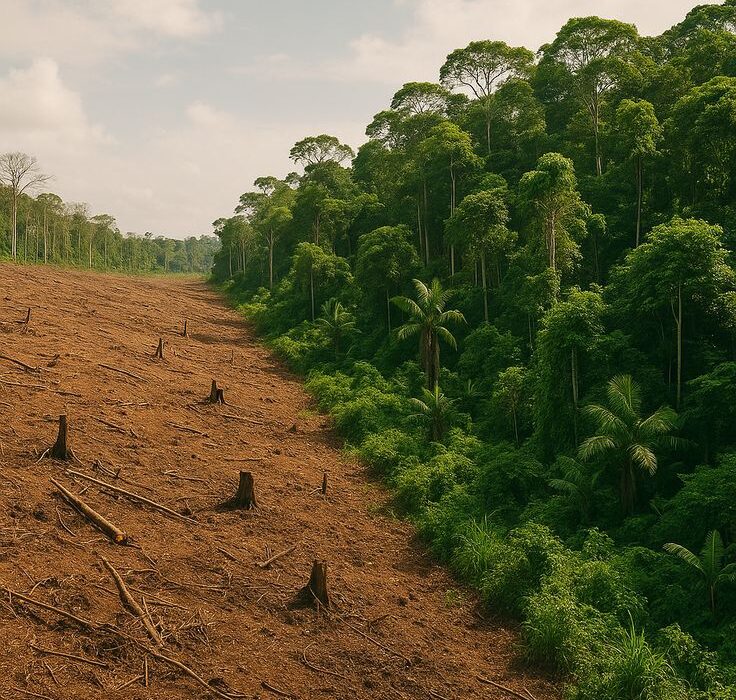
Climate change is no longer a distant environmental concern. Across East Africa, organizations are already experiencing its effects through extreme weather events, resource scarcity, supply chain disruptions, and increasing regulatory expectations. Climate Change Advisory services help organizations understand these risks and respond with practical, science-based strategies.
This article explains what Climate Change Advisory involves, why it matters in East Africa, and how organizations can build climate resilience while meeting sustainability and compliance requirements.
What Is Climate Change Advisory?
Climate Change Advisory refers to professional services that help organizations assess, manage, and respond to climate-related risks and opportunities. It combines climate science, data analysis, policy understanding, and strategic planning to support informed decision-making.
Climate Change Advisory typically supports organizations in:
- Assessing physical and transition climate risks
- Understanding climate-related regulatory and reporting requirements
- Developing adaptation and mitigation strategies
- Strengthening long-term organizational resilience
Why Climate Change Advisory Matters in East Africa
East Africa is particularly vulnerable to climate variability due to its dependence on climate-sensitive sectors such as agriculture, energy, infrastructure, and water resources.
Climate Change Advisory in East Africa is critical because:
- Climate impacts directly affect economic stability and operations
- Regulators and financiers increasingly require climate risk disclosure
- Climate-related disruptions can increase operational and financial risk
- Long-term sustainability depends on climate-resilient planning
Organizations that proactively address climate risks are better positioned to adapt, attract investment, and maintain continuity.
Key Climate Risks Facing Organizations in East Africa
1. Physical Climate Risks
These include:
- Flooding and extreme rainfall
- Drought and water stress
- Heat stress affecting infrastructure and workforce
2. Transition Risks
As governments and institutions respond to climate change, organizations may face:
- New environmental regulations
- Carbon reporting and compliance requirements
- Shifts in market and investor expectations
3. Reputational and Strategic Risks
Failure to address climate impacts can result in:
- Loss of stakeholder trust
- Reduced access to funding
- Increased scrutiny from regulators and partners
How Climate Risk Assessments Support Better Decision-Making
Climate Change Advisory services use climate risk assessments to evaluate how climate hazards may affect:
- Operations and assets
- Supply chains and logistics
- Communities and ecosystems
- Long-term financial performance
These assessments help organizations prioritize actions, allocate resources effectively, and integrate climate considerations into business strategy.
Building Climate Resilience Through Advisory Support
Climate resilience is the ability of an organization to anticipate, prepare for, and adapt to climate-related challenges.
Effective Climate Change Advisory supports resilience by:
- Integrating climate data into planning and governance
- Developing adaptation strategies tailored to local contexts
- Identifying mitigation opportunities to reduce environmental impact
- Aligning climate actions with sustainability goals
Climate Change Advisory and Sustainable Development
Climate Change Advisory plays a central role in advancing sustainable development by balancing environmental protection, economic growth, and social responsibility. In East Africa, climate-informed planning supports:
- Responsible infrastructure development
- Natural resource management
- Community resilience and livelihoods
- Long-term environmental stewardship
Why a Science-Driven Advisory Approach Matters
Climate-related decisions require credible data and technical expertise. A science-driven Climate Change Advisory approach ensures that:
- Climate risks are accurately identified
- Recommendations are practical and context-specific
- Strategies align with regulatory and international standards
This approach reduces uncertainty and supports confident decision-making.
Conclusion: Advancing Climate-Resilient Organizations in East Africa
Climate Change Advisory is no longer optional for organizations operating in East Africa. As climate risks intensify and expectations around sustainability increase, proactive climate assessment and planning are essential.
Saladin Consulting Ltd supports organizations across East Africa with practical, science-based Climate Change Advisory services that help assess climate risk, strengthen resilience, and align operations with sustainable development objectives. By combining technical expertise with regional understanding, Saladin enables partners to navigate climate challenges responsibly and strategically.
