
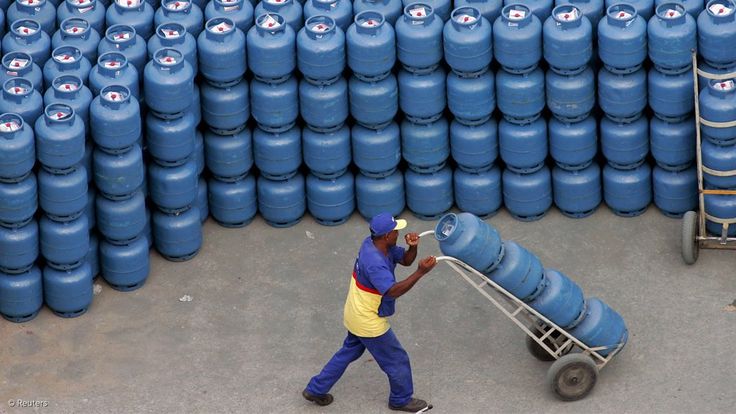

The Energy and Petroleum Regulatory Authority (EPRA) has recently rolled out new safety and licensing requirements for Liquefied Petroleum Gas (LPG) traders in Kenya, signalling a significant shift in how compliance is enforced across the LPG supply chain. These updated EPRA new LPG guidelines are designed to strengthen safety practices, protect consumers, and ensure that all operations in the sector meet established legal and technical standards.
For LPG retailers, wholesalers, storage operators, and supply chain partners, understanding and acting on these requirements is critical. Failure to comply can now lead to enforcement action, fines, suspension, or even revocation of operating licences.
In this article, we break down the EPRA new LPG guidelines into clear, practical steps and explain what organisations need to do to remain compliant and safe.
What EPRA Is Requiring Under the New Guidelines
EPRA’s updated safety and compliance framework for LPG traders touches on multiple aspects of licensing and operations. The core requirements include:
- Valid EPRA Licence: All LPG traders must hold a valid licence issued by the regulator. Only licensed retailers and wholesalers are permitted to sell or distribute LPG cylinders in the market.
- Written Consent from Brand Owners: Traders must only sell LPG cylinders for which they have obtained written consent from the legally registered brand owner. This consent must be properly notified to EPRA.
- Adherence to Safety Standards: Traders must strictly follow established safety standards including those in the Kenya Standard KS EAS 924-1:2018 for handling, storage, and distribution of LPG.
- Safe and Secure Storage: Cylinders must be kept in well-ventilated, secure areas, separated from ignition sources and flammable materials. Full and empty cylinders must also be segregated to reduce risk.
- Safe Transportation Practices: LPG cylinders must be transported upright to prevent damage, wear, or loss of critical markings. There are limits to how many cylinders can be transported on certain vehicles to ensure safety.
- Safe Stacking: Stacking of cylinders must not exceed specified limits (for example, no more than four 6kg cylinders and two 13kg cylinders in storage areas) to prevent accidents.
- Provision of Safety Information: Traders must provide clear safety information at the point of sale, including signage that warns against smoking or ignition sources near the LPG.
- Record Keeping: Traders are required to maintain detailed records for each cylinder sold, including brand, serial numbers, net weight, unit and total price, and any applicable deposits.
Each of these requirements is part of the broader EPRA new LPG guidelines that aim to make LPG handling safer and more transparent for both operators and consumers.

Why These Changes Matter
These updated rules reflect growing concerns about safety in the LPG industry, which has seen a rise in incidents related to improper handling, storage and lack of adherence to technical standards. Regulators have been clear that safety is non-negotiable and that licensed operators must demonstrate compliance at all times.
For traders and energy sector operators, the implications are significant:
- Regulatory Risk: Non-compliance can lead to prosecution, fines, suspension or revocation of licences.
- Operational Safety: Adhering to these standards reduces the likelihood of accidents, explosions, and environmental harm.
- Market Credibility: Operators that comply are more likely to retain brand partnerships and customer trust.
For organisations that are already certified under systems such as ISO 9001, ISO 14001 and ISO 45001, aligning operations with these EPRA requirements should be seen as part of a broader commitment to quality, environmental stewardship, and occupational health and safety.
Common Compliance Gaps LPG Traders Must Address
While the EPRA new LPG guidelines are comprehensive, many operators struggle with practical compliance due to gaps in systems and processes. These include:
- Incomplete Documentation: Missing or inaccurate licence details, lack of brand consent records, or weak record-keeping practices.
- Inadequate Safety Infrastructure: Poorly ventilated storage areas, lack of standard signage, and unsafe cylinder stacking.
- Transport and Handling Issues: Inconsistent practices in cylinder transport and failure to follow technical standards.
- Lack of Integrated Compliance Systems: Businesses often operate licence, safety and quality processes separately, rather than within a unified system that ensures ongoing compliance.
Addressing these gaps requires more than ticking boxes. It demands a structured approach to compliance management that is integrated into daily operations and oversight mechanisms.
Practical Steps to Comply with EPRA New LPG Guidelines
Here are actionable steps organisations can implement immediately to align with the updated EPRA requirements:
1. Conduct a Compliance Readiness Assessment
Start by evaluating how your current systems measure up against the EPRA new LPG guidelines. Identify gaps in licences, safety practices, documentation and training.
2. Strengthen Documentation and Record Keeping
Ensure that all licences, brand consent letters, fire safety certificates, calibration records and transaction data are accurate, complete and easily retrievable during inspections.
3. Improve Storage and Handling Protocols
Review storage areas to ensure they are secure, ventilated and properly organised with distinct separation of full and empty cylinders. Stack cylinders according to the prescribed limits and ensure adequate safety signage is visible.
4. Integrate Safety with Operational Systems
Use established management systems such as ISO 45001 for health and safety and ISO 9001 for quality processes to formalise and monitor compliance across functions, from supply chain to front-line operations.
5. Train Staff on EPRA Requirements
Staff at all levels should understand the legal obligations under the EPRA new LPG guidelines, especially those in charge of storage, transport, sales and record keeping.
6. Plan for Regular Internal Audits
Internal audits help capture weaknesses early and ensure corrective actions are implemented ahead of external inspections.
By taking these steps, organisations not only comply with the latest regulatory requirements but also build safer, more efficient, and more resilient operations.
How Saladin Consulting Supports LPG Sector Compliance
Ensuring compliance with the EPRA new LPG guidelines can be challenging without the right systems, clarity and expertise. This is where specialised advisory support is invaluable.
At Saladin Consulting Ltd, we work with energy sector operators, LPG distributors, retailers and industrial clients to:
- Assess readiness against regulatory and safety requirements
- Strengthen integrated quality, environmental and safety management systems
- Conduct compliance audits and gap analysis
- Develop documentation and record keeping frameworks aligned to EPRA expectations
- Train teams on practical implementation of safety and compliance standards
Our approach blends practical experience with deep understanding of local regulatory frameworks and global best practices to help you stay ahead of compliance risks and build resilient operations.
Final Thoughts
The EPRA new LPG guidelines represent a clear enforcement shift in Kenya’s energy sector. With safety and compliance at the forefront of regulatory scrutiny, LPG traders and related operators must act decisively to align operations with the updated requirements.
This is not just about meeting regulatory expectations. It is about protecting people, property and business continuity.
By developing robust systems, strengthening documentation, and aligning safety practices with recognised standards, organisations can transform compliance from a risk to a competitive advantage.
Let compliance be a foundation for safer, smarter and more sustainable LPG operations in Kenya.
